link to exhibit press & info

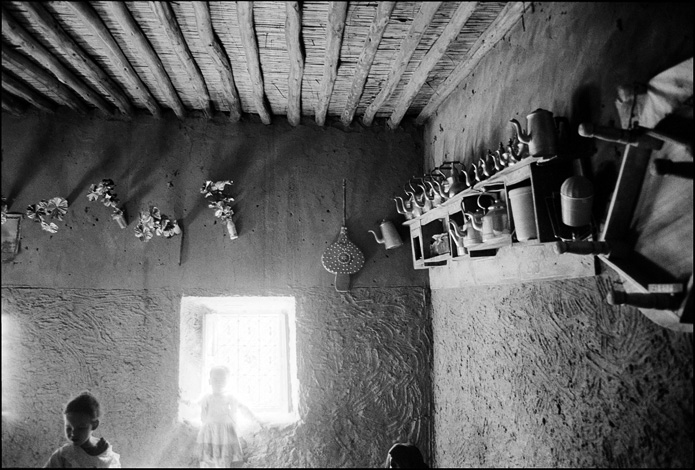
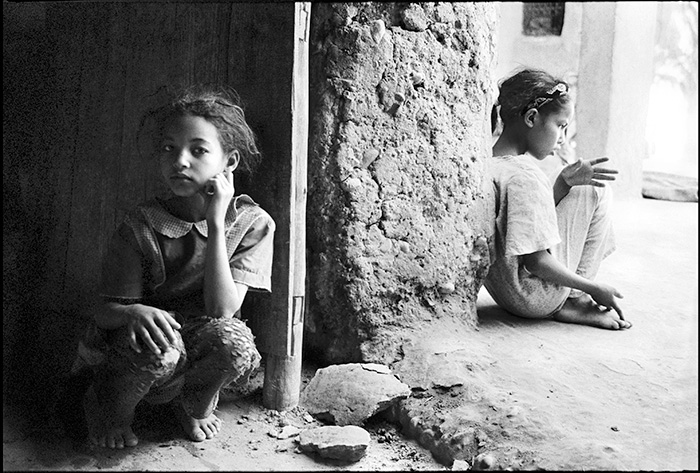
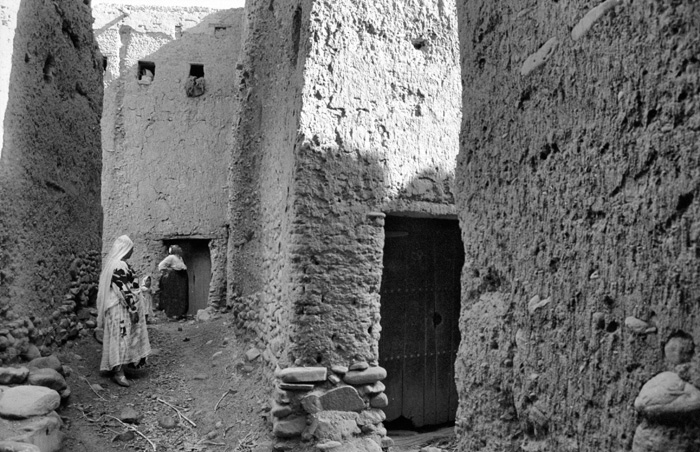
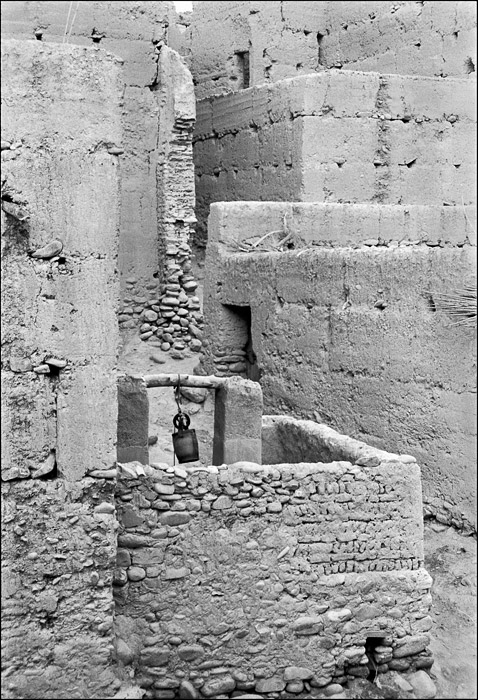
This series explores the theme of liminality in social and physical spaces, the experience of desert and urban dwelling, and coexistence between Jewish and Muslim cultures in Morocco. I originally went to Morocco to explore Jewish heritage in a Muslim land known for harmonious co-existence with other religions, and was specifically interested in the history of the Jews in Berber villages at the edge of the Sahara desert. In the way that journeys often begin, I went looking for something and found much more.

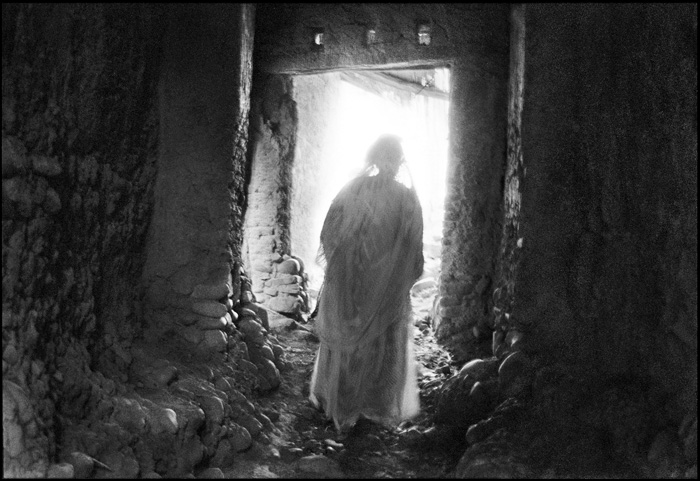
I am always interested in the point symbolized by a threshold. If I have a favorite word, it would be “limen” which means threshold, and also refers to the point at which something begins to be perceivable. As a point of entry and departure a threshold marks spatial, temporal and spiritual transition, and inevitably creates a relationship between the conditions, spaces or ideas that meet there.

Throughout Morocco I observed a way of life infused with faith and humor. There was always a sense of the thinnest membrane between the visible and invisible realms, and a familial, dynamic kind of acknowledgment and interaction with the invisible realm. It was in this margin of permeability between the visible and invisible that my most interesting and important moments unfolded.

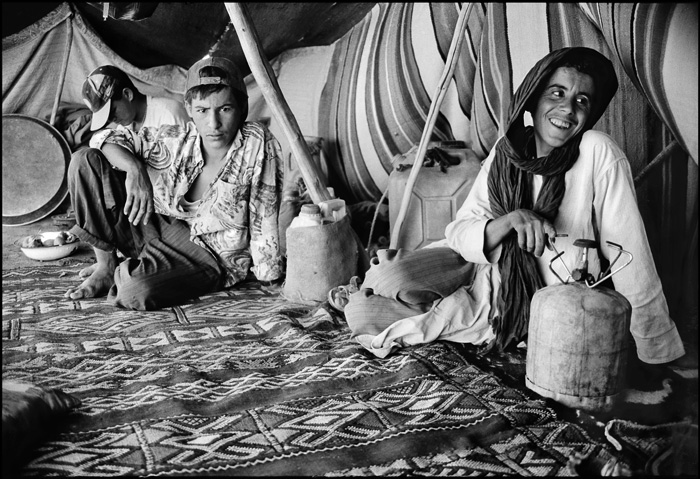
A sense of ritual imbued basic activities such as greeting others, preparing tea or washing hands. Conversations unfolded in a way that gradually spiraled inward to the specifics of discussion or commerce, never in a straight line from a to b. This indirect style expanded my appreciation of the diversity of cultural rhythms and communication.

In the spiritual tradition of North Africa, saint veneration and pilgrimage is a part of life. Throughout the land are countless shrines to Muslim and Jewish saints, some of whom were venerated by both Jews and Muslims. It was not uncommon for people to spend vacations at the shrine of their beloved saint and pray for healing, marriage, fertility, and requests that could be met only through miraculous intervention. There are also celebrations that occur annually in which people come to celebrate the great works of a great holy man or woman at their tomb or shrine on the anniversary of their death.

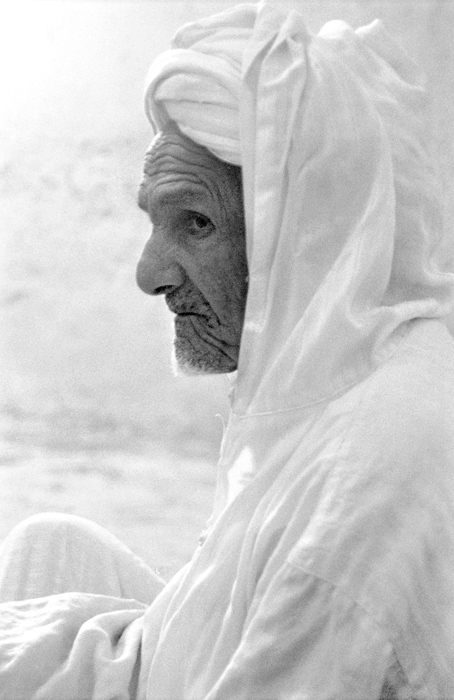
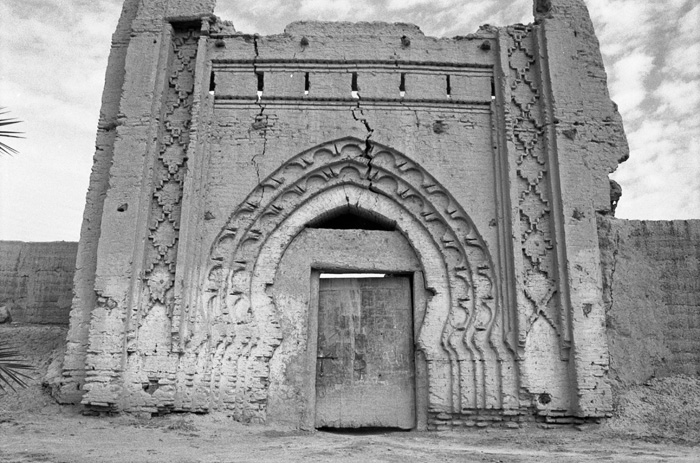
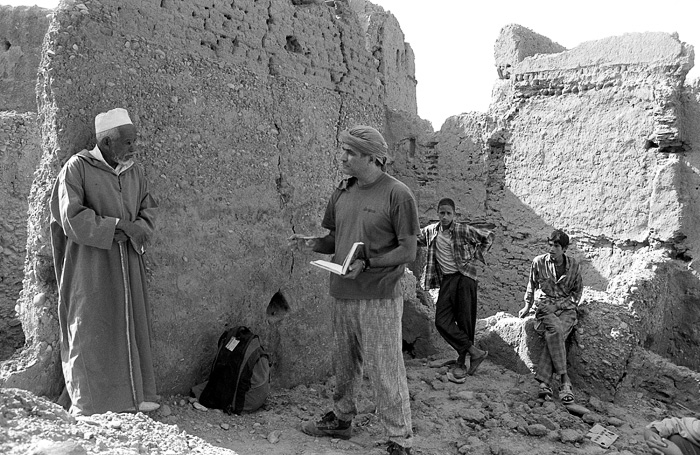
Village elders were the guardians of history, recalling with remarkable specificity the details about homes, synogagues and cemeteries of their former Jewish neighbors, now abandoned, re-inhabited, in ruins, or revised to another use entirely. Time and again their memories recounted friendship community, and interdependency.

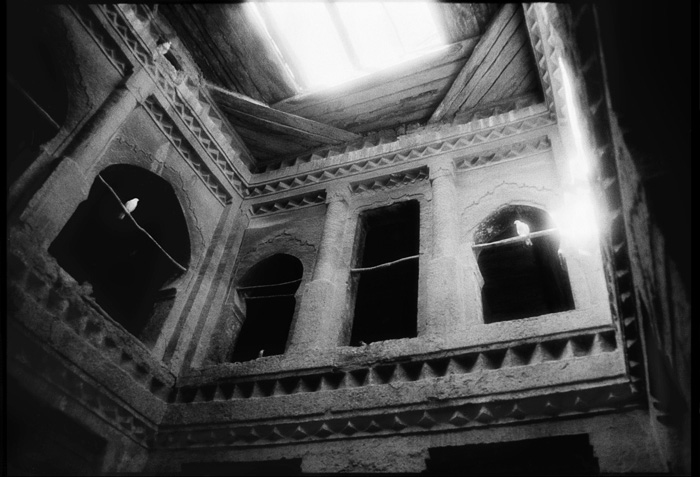
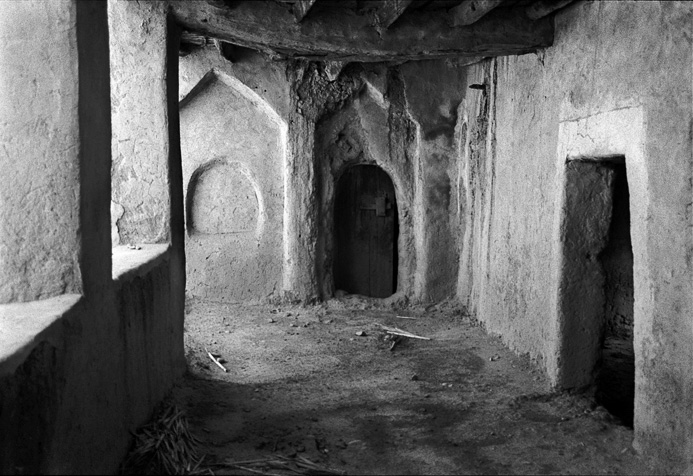
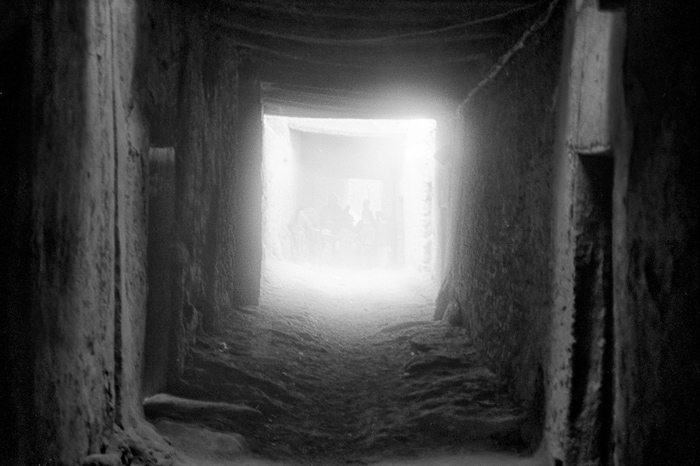
Access to the past through the door of the present brought me to thresholds of time and place, traversing ancient cities and modern ones through enclosed passageways and open labyrinths, through intervals of light and shadow.

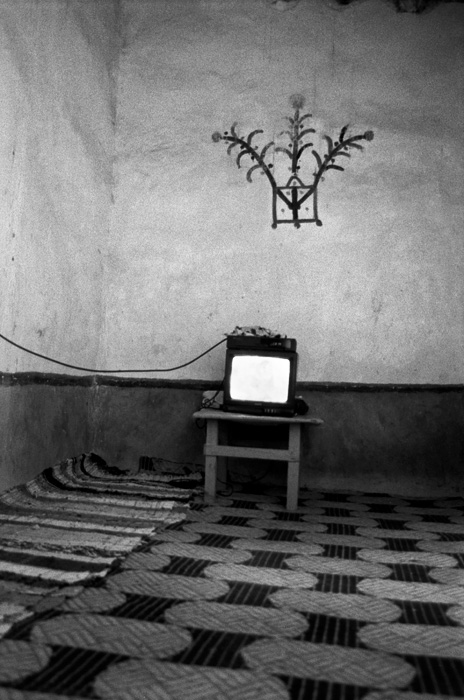
I was in Morocco at an interesting moment before technology leapfrogged ahead, in 1995 and 1998. Concrete construction was still surprising amid ancient ksars. Cell phones and computers were not taken for granted. I came to Morocco from an entirely different world in Los Angeles and found correspondence with my own rhythms, a kind of soul resonance with a country, that so rarely happens and when it does one recognizes another kind of home.

©2010 Rose-Lynn Fisher


Liminal Spaces: Morocco

also exhibited as

Drinking From the Same Well

images ©1995,1998 Rose-Lynn Fisher   


Mellah, Ghirland, Tafilalt 1998


Woman in Passage, Agdz Mellah, Draa 1998


Home in mellah of M'hamid 1998


Agdz home 1998


Father son, discussing Sidi Taher, venerated by both Jews and Muslims, Draa 1998


Lila 1995


Brother Sister Marrakesh 1995


Josef, Sale 1995


Elder, Mellah of Yirrara,Tafilalt 1998


Agouim cemetery 1998


Shrine to Saint, Sidi Rahal 1995


Recalling Jewish neighbors of decades past 1998


Jewish/Muslim Neighbors, Rich 1998


Former synagogue, Fez 1995


El Badi hallway, Marrakesh, 1995

gpo
Mhamid home 1998


Timsla home in mellah, Draa, 1998


Tinzouline mellah 1998


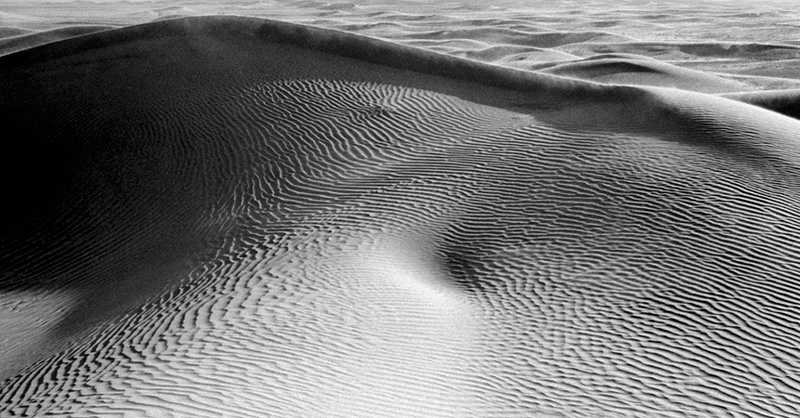
Sahara 1995

special thanks to anthropologist Nissim Krispil.